Understanding Fermentation Temperature Control
Learn how fermentation temperature, sensor placement and equipment choices affect consistency in homebrewing.
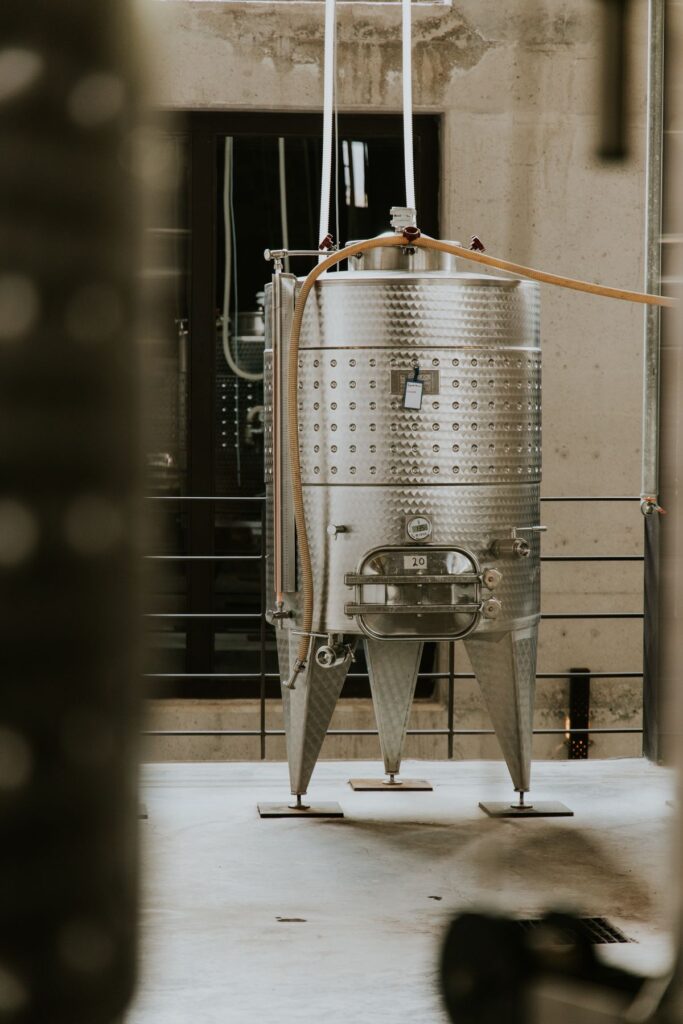 Stainless steel tank; illustrative equipment photograph · Pexels contributor · Source photograph · Pexels License (display sizes may be cropped or resized)
A brewing machine can manage a carefully programmed mash, but the next stage of production depends on living yeast. Fermentation is not simply a waiting period: the environment around the fermenter influences how the yeast behaves and how the finished beer develops. Understanding this distinction helps homebrewers decide which equipment is worth using and which measurements deserve attention.
Air temperature and liquid temperature are different
A thermometer on a wall reports the surrounding air rather than the temperature of the fermenting liquid. Active fermentation can generate heat, and a large vessel may respond slowly to changes in the room. A temperature reading is therefore most useful when the brewer knows what the sensor is actually measuring.
A controller with a suitable probe can help maintain a more stable environment. A properly installed thermowell can measure the liquid without exposing it directly to the probe, while a sensor secured against the vessel can provide an indirect reading. Follow the equipment manufacturer’s guidance and ensure any component that contacts the wort or beer is suitable for food contact.
Choosing a target for the yeast
There is no universal fermentation temperature. Different yeast strains and beer styles have different requirements, and the recommended range can vary even within a single style. Start with the yeast supplier’s specifications instead of copying an unrelated recipe. Temperature control is about maintaining the intended conditions, not simply making the fermenter as cold as possible.
What an automated system can and cannot do
A dedicated fermentation chamber, temperature controller or purpose-built vessel may reduce fluctuations, but equipment cannot compensate for poor sanitation, unsuitable ingredients or an inaccurate reading. A controller also needs adequate heating or cooling capacity for the environment in which it operates.
Keep a useful record
Record the intended temperature, the actual readings, the yeast used and any changes during fermentation. Compare these notes with the finished beer rather than relying on memory. When repeating a recipe, changing one variable at a time makes it easier to understand whether the new equipment or setting made a meaningful difference.
For a broader technical explanation, see the American Homebrewers Association guide to fermentation temperature.