How Digital Technology Has Changed Everyday Entertainment
A look at on-demand media, interactive games and shared online experiences, with practical ways to choose leisure that suits your time.
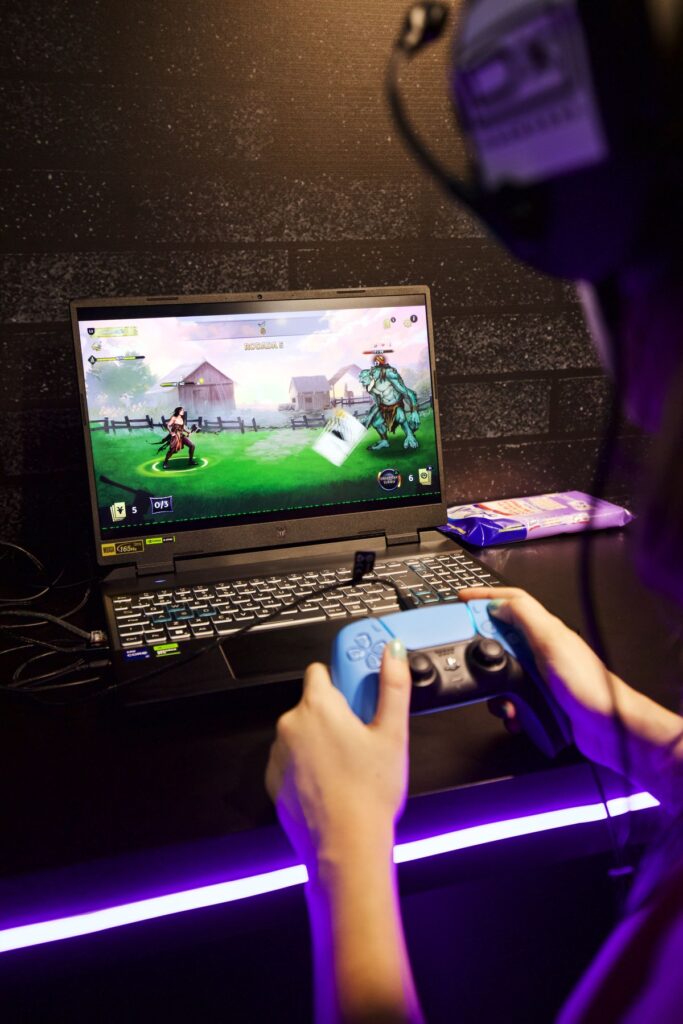 Person using a controller and laptop for digital entertainment · Pexels contributor · Source photograph · Pexels License (display sizes may be cropped or resized)
Entertainment used to be strongly shaped by a place or a schedule. A film was shown at a cinema, a programme appeared at a particular hour, and a game night depended on everyone being in the same room. Those activities still matter, but digital technology has added more flexible ways to spend free time.
From schedules to personal choice
On-demand media allows viewers to decide when to watch a programme rather than organize their day around a broadcast. Digital libraries also make it easier to revisit an old favourite or explore something unfamiliar. The advantage is convenience; the challenge is that a large catalogue can make a simple decision feel unexpectedly difficult.
One practical response is to decide on an activity before opening a service. Choosing to watch a documentary or listen to one album gives the session a clear purpose, rather than leaving every decision to a recommendation feed.
Entertainment becomes interactive
Games add participation to the experience of consuming media. A player may explore a fictional place, solve a puzzle or work with another person toward a shared goal. The design of an interface matters because it determines how easily people can understand what to do and receive useful feedback.
Digital tools can also assist physical hobbies. A tutorial can demonstrate a difficult technique, while a simple note-taking application can record an ongoing creative project. The screen becomes a companion to an activity rather than the activity itself.
Connection across distance
Online watch parties, cooperative games and interest-based communities allow people to share experiences without travelling to the same location. This is particularly useful when friends have different work schedules or live far apart. However, digital communication does not reproduce every aspect of being together, and some people prefer the attention and spontaneity of a face-to-face gathering.
Choosing a balanced leisure routine
A useful entertainment routine leaves room for different kinds of rest. Some evenings call for an interactive challenge; others are better suited to a book, a walk or a conversation. Rather than measuring leisure by the number of titles completed, consider whether the activity provides the kind of enjoyment you wanted. Digital technology expands the choices, but the most meaningful choice is still a personal one.